



Reports Home

Donald Abrams, MD

Gregory T. Carter, MD

Jay R. Cavanaugh, Ph.D.

Chris Conrad

Valerie and Mike Corral

Molly Fry, MD

Lester Grinspoon, MD

Rob Killian, MD

Steve Kubby

Phillip Leveque, MD

Martin Martinez

Raphael Mechoulam, PhD

Ian D. Meng, PhD

Tod H. Mikuriya, MD

Richard E. Musty, PhD

NORML Conference, 2006

William Notcott, M.D.

Francis Podrebarac, MD

Robert and Angel Raich

Bill S. Rosen MD

Ed Rosenthal

Ethan Russo, MD

CannabisMD.org

Donald Abrams, MD

Lecture by Dr. Donald Abrams, 5/17/99

May 17, 1999

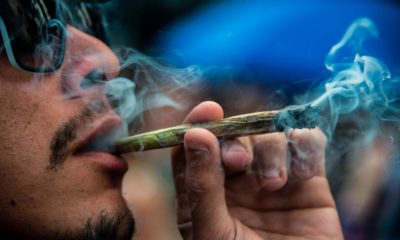
The question I've been dealing with for some time is "What about medical marijuana--is it a medicinal agent, or is this all crazy?" I started working with this question back in 1992. Tonight I would like to describe to you the trail that I've been on since 1992. Before I do that let me give you a little background about the use of marijuana. As mentioned, I am the Assistant Director of the AIDS Program at San Francisco General, and we have had for a long time patients with HIV smoking marijuana. And one would think it is the HIV community that has brought medical marijuana to the forefront, but in fact, marijuana has been used as a medicine as we all know, hundreds, if not thousands of years before HIV. In fact, cannabis is one of the oldest known psychoactive plants.

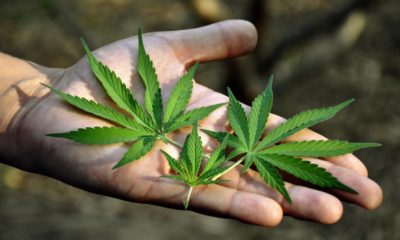
The highest concentrations of bioactive compounds are found in the resin exuded by the flowering female plants. The substance was first introduced into Western medicine as we know it today in the 1840's by O'Shaunnessey, who was a British physician who claimed that its properties at that time were against pain, as a sedative, against inflammation, and as an anti-spasmodic/anti-convulsant. Anything that has that many properties one might be concerned that it was actually snake oil. The interest in cannabis as medicine began to decline in the early 1900's when agents became available that actually did speak to all those other indication to which marijuana had purported effectiveness. That's the time we saw opiates as analgesics, barbiturates and chloral hydrate for sleep, aspirin for inflammation, and syringes first became available. The first federal restrictions on cannabis as medicine were in 1937. And this is actually when the government first introduced the term "marijuana." Most physicians used the term cannabis for the medicine they were prescribing and the government chose marijuana to confuse physicians who might not associate cannabis with marijuana, and also to associate marijuana with nefarious south of the border dealing. So they introduced, in 1937, the first Tax Act which imposed a $1 per ounce tax for medicinal use and a $100 per ounce for recreational users. These were 1937 dollars, so it was a significant tax at that time. What I think is really amazing is that the American Medical Association stood virtually alone in opposing the Marijuana Tax Act. They felt that any objectionable data regarding the harmful effects of cannabis was lacking, and they advocated future clinical evaluations--how right they were. Ultimately, cannabis was removed from the pharmeacopia in 1942, but it was up until that time when physicians could actually write a prescription for cannabis.

In 1970, as we are all well aware, marijuana was scheduled by the Controlled Substances Act of that year in Schedule I. Schedule I and Schedule II both have a high potential for abuse, the difference being that a Schedule I agent has no acceptable medical use. Now, all of us are familiar with the recent Institute of Medicine report that was released on March 17th, and I think in that report it does suggest that marijuana has some medicinal benefits, so whoever is back in Washington scheduling substances hopefully will have a look at that and realize that perhaps it is miss-scheduled. Certainly NORML, since 1970, has been in existence to try to move marijuana out of Schedule I, thinking that it would get rescheduled. If we look at the company that marijuana keeps in Schedule I, heroin, LSD, mescaline, other hallucinogenic amphetamine derivatives, methyl Quaalude, and illicit phentonol derivatives, I think most of us would agree that marijuana is in the wrong Schedule.

Working with HIV and AIDS for the past 19 years, I've also become a student, if you will, of alternative therapies, and particularly traditional Chinese medicine. And when people say, "Gee, you can't use marijuana as a medicine because 'what is the active component in the plant?'" I sort of turn to the model of traditional Chinese medicine where herbs have been used for thousands and thousands of years for treating people. And we have tried to do some studies of these Chinese herbs where we extract them and put them in cellulose capsules and make it look like Western paradigm medicine. Traditional Chinese medical practitioners said, "No. You have to use the whole plant." You know, if it works, why look for the active component? We've seen marijuana extracted to the point where delta-9 THC has been licensed and synthesized as dronabinol in Marinol. It is felt to be one of the main psychoactive components, but marijuana is a plant that contains over 400 other chemical compounds and at least 60 other cannabinoids. For example, delta 8 has been found to be, in a study with Israeli children as effective as delta-9 THC in decreasing the nausea and vomiting associated with chemotherapy. Delta 8 THC is not present in Marinol or dronabinol, but it is present in marijuana the plant.

The average THC content of a marijuana plant is reported to be 0.3 to 4 percent. Now that is the plant, and we know most of the smart shoppers in San Francisco are not buying sticks and seeds and leaves. The THC content of marijuana that is purchased in Buyer's Clubs in the Bay area can be much higher--twice that or three times or even more. I haven't sent any off myself, so I don't really know the actual information, but this is the content of the plant.

There has been a lot of very elegant research, biochemical research, done over the past ten years looking at the so-called cannabinoids receptors in the human body. Two receptors have been identified. These receptors are coupled with proteins that inhibit various enzymes in the body. The central nervous system responses to cannabis are mediated primarily by way of the CB1 receptor which is concentrated in the basal ganglion in the cerebellum, parts of the brain involved in coordination and movement, etceteras, and again activation of this receptor produces a lot of changes, including increasing production of prostaglandin's which are the substances which cause inflammation. The CB2 receptor, interestingly, the second cannabinoid receptor, is not found in the brain at all, but is predominantly located in immune tissues, the macrophages which are circulating blood cells that go into tissues and fight infections, and also the spleen. The largest concentration of the CB2 receptor is present in the blood in the B-Lymphocytes which produce imunoglobulin and the so-called "natural healer cells." So when we were concerned with the question of marijuana smoking and its impact on the immune system in patients with HIV the presence of this cannabinoid receptor bound in cells of the immune system does suggest that maybe there is something going on. Why does the body have receptors for cannabinoids? Well, they have now identified that there are, in the body, substances similar to the substances in the plant. So we make our own cannabinoids for reasons that are as yet unclear. And also, the receptors are present in many animal species through nature all the way, I'm told, and I don't know this for a fact, but somebody mentioned down through sponges. So sponges have receptors for cannabis. I don't know where they get the stuff, but anyway . . . [laughter]

Many people say "Gee, Donald, why in the world do we need to study marijuana when we have licensed and approved Marinol?" Marinol, again, is delta-9 THC. This is an advertisement which describes what Marinol is approved for. Actually, Marinol was first licensed and approved in 1986 for treatment of nausea and vomiting associated with chemotherapy. The indication was expanded in 1992 for the treatment of anorexia or appetite loss, associated with weight loss in patients with AIDS. Now you know the FDA makes people advertise drugs strictly for what they've been demonstrated to do. This study, in a placebo-controlled study, demonstrated that the delta-9 THC improved appetite, but not weight. So compared to patients taking placebos, the Marinol patients did not actually gain weight. They did improve their appetite. Now, many of our patients say, "I just don't like to take Marinol." And that's why they often procure their marijuana from alternative sources. Usually when I give this talk to people who don't know I describe Dennis Perone as a recent unsuccessful Republican gubernatorial candidate . . . [laughter] I always get the same response you all gave me. Anyway, our patients say, "I don't like to take Marinol because it get me too zonked and it lasts too long and I can't control it." If fact, when we look at the pharmaecopia, when taken by mouth, delta-9 THC has a very low 6 to 20 percent absorption, and it's very variable from one person to another. Peak plasma concentrations of delta-9 THC, when taken by mouth occur within one to six hours and may remain elevated for several hours with a half-life of 20-30 hours. So it sticks around for a long time. It takes a long time to reach a peak concentration. Similarly, when taken by mouth, delta-9 THC is broken down into the liver to a by-product of 11 hydroxyl THC, it's called, which in and of itself, this metabolite, has potent psychoactive effects. You get less of this when you smoke it. So when people say, when they take THC by mouth, either Marinol, or eating brownies, for example, that they get more zonked, part of it probably because of this breakdown product, the 11 hydroxyl, which in and of itself is a potent metabolite, and when smoked, you produce less of the 11 hydroxyl. Smoking THC, the THC is rapidly absorbed into the blood stream and redistributed with a considerable amount of it destroyed by combustion. Peak plasma levels are achieve at the very end of smoking and decline rapidly over 30 minutes, as if it were given intravenously, for example, whereas, if taken by mouth, it's a slow and doesn't reach very high peaks and takes a long time to disappear. The amount of THC one is exposed to might be the same, but certainly the effects are much different. In patients who say, "I gee I can control the onset and the duration much easier if I smoke than if I swallow it" are telling us just what we know from the pharmaecopia.

Another criticism that people have, of course, is about the addictive potential, and that marijuana is becoming stronger and stronger every year. This is a quote from the Merck manual, which is the bible for physicians, and it talks all about drugs. In the 1987 edition, they said that marijuana used in the USA does in fact have higher THC content than in the past. Many critics have incorporated this fact into warnings, but the chief opposition to the drug rests on the moral and political, not the toxicological foundation. So that's pretty impressive, to come right out of a Merck manual. Well what do we know about toxicology of marijuana, how safe it is. Let me just say that I don't know exactly how this data was determined, but the lethal dose in 50 percent is felt to be 1 to 20,000 or 1 to 40,000 or, it would require 1500 pounds, smoked in fifteen minutes to induce a lethal response. Now, you know, it was apparently Francis Young, the DEA Administrative Law Judge, at the time when it was almost rescheduled to Schedule II, came up with this information. Obviously, they didn't have a person smoke 1500 pounds in fifteen minutes, it wasn't 1500 pounds falling on somebody, and I doubt that they extrapolated this from animal studies, so it is unclear.

During the years that I was trying to do this clinical trial I ran into a lot of interesting people, I must say. One day I got a call at work from a woman who said she was an investigative reporter from Texas. She has some information that she thought I would be interested in, that the federal government was withholding or covering up information of their own studies on the safety of marijuana. So I said, okay, why don't you fax it to me, and she said, "oh no. I can't fax it. It's too big." I said, can you make me a Xerox? She said, NO, no. It's too many pages." So she eventually Federal Expressed it to me. I had my assistant Xerox it and send it right back to her because she really said that it couldn't be out of her hands for too long because it was very highly classified. It was 150 pages of information. It was put out by National Toxicology Program, the Public Health Service of the US Department of Health and Human Services. It's entitled, Toxicology and Carcinogenesis studies of 1-trans-delta-9 THC in Rats and mice. The copy that she sent me was stamped Draft, June 1994. This was at the end of 1996. So I was quite struck by the findings that they were reporting, but I had never heard of this National Toxicology Program. There was a phone number to call them in North Carolina, I believe it was. So I asked if I could get a copy of report number 466, and the assistant there said I'm sorry, it's only available in draft form. We don't have the final version to send you. I said, well, when will it be out. She said, I don't know why it's not out now. It usually comes out 6 to 12 months after the draft version. So I called the gentleman who was the director of this group, he's now a retired pathology professor in Madison, Wisconsin. He has done many of these evaluations and he didn't remember anything about this one on THC. He suggested I call the executive secretary of the National Toxicology Program. One night at 11 in SF as I'm making my back east to answering machines so they call me back the next day. I said, "I'm curious as to why the final draft isn't out. Please get back to me as soon as you can." Thursday, we were having a meeting at the Community Consortium of our Community Advisory Forum, and I wanted an answer to where this was so I could tell people. So I called the gentleman, and he said that is sort of peeked his interest the second time I called. He said he didn't know why the final version wasn't printed the last he saw it was camera ready there were not too many edits, and it should have been produced. So, he said, "Do you think the government is withholding information?" The Executive Secretary of this was asking me if this qualified, you know . . . He said, "I think its terrible . . ." I recall this because I wrote it on the inside cover. He said, "I think it's terrible the way the government is handling this marijuana issue." He said, "there's no reason this shouldn't have been published." Well I went to our Community advisory board meeting, and gave them the results of this analysis. John James was there. John James writes this little newsletter called the AIDS Treatment News, which goes out to 20,000 people. He said, do you mind if I publish this in my newsletter?" I said, "John, I'd prefer you called them and asked them, and they send you a copy so they don't know quite so clearly where you got your information. So he called, and then he published US Government Withholds Medical Marijuana Safety Information in the AIDS Treatment News which got picked up by the Boston Globe. So it was all over the country, and it was good that we had a hand in it.

What they did in the study, they took rats and mice, and the fed them through a tube into their stomach either sesame oil or sesame oil with increasingly dosages of delta-9 THC. And at the end of two years they sacrificed them. They found that the incidence of both benign and malignant neoplasms, or cancers in the male and female rats and mice were decreased in a dose-related manner. There was little evidence for any mutagenic, or chromosome-breaking activity attributed to THC either in the animals or in the testing. And survival of the dosed male and female rats was greater than controls. So the THC caused fewer tumors and prolonged survival in these laboratory animals. So, it took them two years and a little bit of a push to finally publish the final version of this report.

Now, this is delta-9 THC, not marijuana, and it's rats and mice. It's not people. So what do we know about the safety of marijuana in people? And again, since clinical trials have not been ongoing for a number of years, we need to rely on some epidemiological information. D. Sidney, a classmate of mine from medical school is in a research program at Kaiser in Oakland. He published in the American Journal of Public Health two years ago results of information obtained from 65,000 Kaiser San Francisco and Oakland enrollees age 15 to 49 completed questionnaires about their smoking habits which included the use of marijuana in the years 79 to 85. So when he looked at the mortality follow-up, or survival information, through 1991 for a ten year follow-up. What they found was that marijuana was used at some point by about two thirds of these adults. Only 38% said that they had never used marijuana, which is certainly consistent with what we know about adults in the US, that two thirds of the adults have reported smoking marijuana at some time in the past. Current use was far less than use of tobacco or people drinking more than three glasses of alcohol a day. Use of marijuana was more common among med, among whites, and among never-married men and women. And that actually becomes important. Now this is the most data that I'm going to have to ask you look at. What they did was look at the relative risk of dying in people who use marijuana, either ever, or current users. For women, there were no significant changes in mortality associated with ever or current use of marijuana. So it appeared that there was no increased risk of dying in women. However, what they found out of the 40 or so thousand men in this cohort, that there were 430 deaths. And the ratio of deaths in those using marijuana divided by those who weren't was 1.28, so it's almost 30% increase in mortality in the men who used marijuana. Now if we look at the cause of death, you'll see that AIDS was highly increased, whereas deaths from not-AIDS were not increased at all. So what this suggests, is that the men were dying from AIDS. You don't get AIDS from smoking marijuana, but marijuana smoking is a marker for single men, often gay men who are at risk of getting HIV. In fact, they made this ever more clear by looking at a small sample of patients in this group. 214 men were actually identified as having AIDS diagnosed after the determination of their smoking status had been made. And of that group, 56% reported that they were currently using marijuana at the time of the evaluation, which was a high percentage, it was the highest group, the men with AIDS, whereas the next highest group which was 38% of the unmarried men in the total study cohort. For these 214 AIDS patients, current use of marijuana was actually associated with a non-significant decrease in relative risks, not only for total mortality, but for AIDS-related mortality. So it seemed to decrease by 20 or 30 percent, mortality in men with AIDS who are smoking marijuana. Again, the statistics make it not statistically significant, but the trend is there that certainly marijuana smoking is probably not harmful for people with HIV and AIDS and by this, may even be beneficial. But again, it's not statistically significant information. It's not a randomized study, but it's an epidemiological observation.

So this is what our patients have been telling us for a long time. People with HIV and AIDS have said, "marijuana is good medicine. And certainly people who are proponents of the medical use of marijuana list a number of uses for the substance, including controlling nausea, vomiting from cancer and AIDS drugs, relieving hunger and weight, glaucoma, muscle pain, muscle spasms, etceteras, all the things that we're quite aware of. In fact, the Institute of Medicine in their report spoke about the different cannabinoid receptors. The CB1 and CB2, and said that the fact that there are these different receptor types in the body suggest that cannabinoids play different roles in normal human physiology. Some of the effects of cannabinoids are probably independent of these receptors, but the variety of mechanisms through which cannabinoids influence human physiology underlies the variety of potential therapeutic uses for drugs that might act selectively on different cannabinoid systems. Now again, this is from that august body, the Institute of Medicine, suggesting in fact that there may be physiologic rational for the therapeutic pharmaceutical benefits of cannabinoids. And again, in reviewing accumulated data, the Institute of Medicine reported they feel there is potential therapeutic value for cannabinoid drugs in pain relief, control of nausea and vomiting, and appetite stimulation. The effects for delta-9 THC IE: Marinol or dronabinol have been best established and that's been allowed to be studied, whereas marijuana has just not been. They also said that the effects of these cannabinoids are generally modest and usually for most of the indications there are more effective medications.

Well, lets just turn to some of these applications individually. I think quite interesting the concept that marijuana may be effective as something to relieve pain. Investigators at UCSF, led by Howard Fields, have been publishing a number of elegant studies in scientific literature about the possible mechanisms. It's long been known that given by vein, intravenously, it exerts a potent analgesic effect. Cannabinoid-induced analgesia appears linked to the same system by which opioids produce pain relief. But different from opioids, cannabinoids are also effective in a rat model of neuropathic pain, which means pain caused by nerves. For those of us that care for people with HIV, and know about the painful, peripheral neuropathy they get--very painful, numb, tingling feet. We often start these patients on a trail of drugs that lead ultimately to morphine, because there isn't anything effective. And if in fact we can demonstrate that these cannabinoids may be useful for these patients, the day might come where the doctors says to the patient, "I'm taking you off medicinal marijuana and putting you on medicinal harder stuff." --Talk about 'harm reduction' . . .

What do we know about the use of marijuana for nausea and vomiting secondary to chemotherapy? Well the 1970's was a decade, I think, where people smoked marijuana more than in the 1990's, perhaps. Some people developed cancer, and we didn't have very strong drugs for nausea and vomiting at that time, nor did we have very strong cancer drugs, but there were anecdotal reports given to oncologists from patients who had cancer and were re3ceiving chemotherapy that gee, smoking a marijuana cigarette works better for me than taking the Compazine you've given me for my nausea and vomiting. And randomized trial demonstrated that oral THC was better than placebos at equivalent or superior to Compazine, which was the only drug available. Smoked marijuana appeared superior to oral, but marijuana and THC nowadays would be considered to be very low potency anti-emetic or anti-nausea drugs and we have more powerful drugs for these conditions. But sometimes, even these more potent ones don't work and people may get a benefit from marijuana or Marinol. A survey was conducted at the early part of the decade by Rick Doblin, who at that time was a student at the Harvard School of Health Policy. Rick Doblin may be known to many of us as president of MAPS. Rick published in the journal of Clinical Oncology the results of a survey he did where more than a thousand oncologists responded, and 44% reported that they had in fact recommended marijuana to at least one patient. Of those who had sufficient information felt that marijuana was more effective that Marinol in reducing nausea and vomiting.

Which leads to the situation in patients with AIDS. This is the cover from the December 1994 High Times, which I don't need to tell you is the magazine for marijuana consumers, and I have it because they in fact did a little story on our attempt to do our clinical trial. Subsequently, the people that made the marijuana trading cards, because of the work I was doing in trying to do this clinical trial actually called me and asked me if I could pose to be a marijuana trading card. I said, "I thought I'm the wrong color. I thought you had to be green. And second of all, at this point in time I told them I really hadn't done anything yet. And they said it wasn't what I had done, but what I was trying to do. But anyway, this is one of my favorite issues because I got to be in High Times. We were very interested in it for one of our grant applications in why people with HIV and how people with HIV were using marijuana that they obtained at the Buyer's Clubs. So we proposed a survey, and we wanted to look at only people who had HIV. The Institutional review board at the University of California San Francisco said, no you can't put a survey at the Buyer's Clubs on a poster board saying "if you're HIV positive, please fill this out," because anybody filling it out then discloses that they are HIV positive and that's against confidentiality. So you can ask the question in the survey, but not have it posted only for people who are HIV positive. Which turned out to be very useful because ultimately we reported on the results of 250 responses and found that of those who are HIV positive, 75% said that they were using their marijuana for appetite stimulation, compared to less than 20% of those who were HIV negative. So, definitely a difference. Most of the HIV negatives said that they were using marijuana to decrease anxiety or pain. We also asked how much people smoke. We found out that the average consumption was 3 cigarettes a day, about one gram apiece.

What do we know about marijuana and its impact on appetite? Again, the studies of the medical effects of marijuana in the medical literature are really bad, and you can find whatever you want. You can find that marijuana is an immune suppresser, or an immune booster, that marijuana's good for people with asthma, or marijuana's bad for people with asthma. That's because most of the studies were done in the 70's--we didn't have a lot of good technology, we probably didn't do clinical trials very well, and in the literature, you can find whatever you want. With regards to haw marijuana affects appetite, it's unclear. Does it enhance the sensory appeal of food? Does it enhance the hunger mechanism or cause collapse of the so-called satiety mechanism that tells you when you are full? There have been clinical trials where normal, healthy people are put in a room, either alone or with other people and given marijuana to smoke. Especially when it's done in a group setting, people do increase their caloric intake after smoking marijuana. The caloric intake tends to be in the form of between-meal snacks, mainly fatty or sweet foods. --Otherwise known as the munchies for people who went to college in the 60's. But again, why this happens is unclear.

Now I'd like to move into the history of our attempt to do a clinical trial with marijuana and explain how it all started. Actually in 1992 the International AIDS Conference that year was in Amsterdam, of all places. I was in Amsterdam in my hotel room looking at CNN when I noticed a friend and colleague, Mary Rathton being arrested. You all know Mary Rathton as Brownie Mary. Brownie Mary was a volunteer at the AIDS clinic. In fact, she was our volunteer of the year two years in a row. She used to wheel our patients to radiology, take their specimens to the lab, and she did this till her joints got bad. The joints in her knees . . . And Mary lost her daughter to a drunken driving accident, and was very adamantly against alcohol, but very pro marijuana, particularly the medical use of marijuana. And She would bake brownies for her "kids" at the clinic. So, seeing Mary get arrested in Amsterdam was a strange sight. She wasn't in Amsterdam; she was in Sonoma County. So when I got back, there was a letter waiting at SF General to the Director of research. And it was a letter from Rick Doblin, president of MAPS. And Rick suggested that a clinical trial demonstrating the medical benefits of marijuana should come from Brownie Mary's institution, as if she were our dean or something. Well, 1992 . . . I'm an AIDS clinical trial person and we only had 3 drugs. They weren't very good drugs; there's not so many ways you can combine those three drugs, and I said, you know, it's a little slow now doing clinical trials with AIDS drugs and this sounds interesting. So I Xeroxed for Rick Doblin the template of how write a clinical trial for the UCSF Institutional Review Board. And I sent it to him knowing that he wasn't a physician, I was sure that this would keep him busy for a while. I said, why don't you send us a proposal, and our group, the Community Consortium will consider doing this clinical trial. Within a week, he sent me back a study. He wanted to compare brownies to Marinol in patients with AIDS wasting. Again, back in 1992, before we had the current drugs that we now have, people used to die with this horrible wasting syndrome, where they couldn't eat, they lost weight, they became like skeletons, they had diarrhea, fevers, and they were smoking marijuana. Rick felt that in honor of Brownie Mary we should do a study of brownies compared to Marinol which had been licensed and approved that very year, to increase appetite, remember, but it didn't cause weight gain. So I called him and I said, this is sounding very interesting, but if we're going to do a 12 week study we should have a standardized batch of brownies for people, and I don't think brownies are going to stay fresh for 12 weeks, so why don't we find another mode of delivery. So, not to be daunted, Rick Doblin called me back and said OK I found some marijuana, and we can do a smoked marijuana trial. He had been in touch with Hortafarm BB, which is a Dutch company that apparently grows marijuana for medicinal use. They agreed to grow for us from cloned plants, three different strains of increasing THC content marijuana and provide us also with 50,000 to conduct the clinical trial. At this point, it became a little more interesting I began working a little more closely with Rick but sort of allowed him to design a study that was an outpatient study in patients with AIDS wasting where 40 people would be enrolled 10 would get Marinol, and ten would get each of three different strengths of inhaled marijuana and we would follow them for twelve weeks and measure their weight and their body composition using highly sophisticated tests. Also look at their CD4 Counts to make sure that their immune system was not being affected, and their testosterone levels because there is some concern that people smoking marijuana may lower their testosterone, and testosterone is important to prevent people from wasting. So we designed the study. The FDA was involved. I had to get an Investigational New Drug Number from the FDA, and they gave it to me and they were very helpful in the design of this study. We then had to send it to the UCSF Institutional review board for their analysis and review. They gave me four pages of questions that they wanted me to answer, but they answered them, and they also approved the clinical trial. Then because it was a study using a controlled substance in the State of California, we needed to submit it to the Research Advisory Panel of CA, or the CRAP. The CRAP also said they though it was an excellent study, and as long as I made the changes that were suggested by the FDA and the IRB, they were very happy with the study. If the new regulations we just heard about last week were in place then we would have begun our study in April of 1994 with the study I described. The hooker then was, I needed to send away to the DEA to get my Schedule I license, to be able to prescribe marijuana that was going to be sent to us from Amsterdam. And I sent them on April 15, 1994, my protocol, and a check for $70 which they cashed within a week, but I didn't hear from them for a few months. I can't tell you how supportive the FDA was about us doing the study. They said, Donald, the DEA will not give you a Schedule I license. They said it's because they're not happy with me importing marijuana across international borders. This was 1994. Two years ago I found out from the Marijuana Policy Project that the real thing that happened was that the DEA wrote a letter to the FDA saying, who is Donald Abrams? He doesn't do research on drugs of abuse. We've never heard of him. We don't know what this Hortafarm BB is. This is not a good clinical trial. We're not going to give him a Schedule I license. That came out from the Freedom of Information Act. I was given that letter by the people at MPP. What I was told was, never mind, don't try to import marijuana across international borders, so I said, do you have any recommendations? They said yes. Seek a domestic source. I said, okay, do you have any tips? They said, yes. Why don't you go to NIDA, the National Institute on Drug Abuse? NIDA provides marijuana for clinical trials. Well NIDA provide marijuana for those studies that show how it damages the lungs, or beaks chromosomes, or causes hair to grow on your palms, you know, NIDA is the Institute on drug abuse. So I caught them a little off guard when in October of 1994 I sent a letter to Alan Leshner, the Director of NIDA, requesting 5.7 kilograms of three different strengths of their marijuana. Again, I didn't hear anything for quite some time. In November, I started to call people at NIDA, because I have friends there from the AIDS world who went into NIDA. They said, Donald, this is not an easy decision, and it's not being made here. It's kicked out of the Institute. It's above us. So I know it went to Phil Leech, the assistant director for health. Subsequently, I've learned from a very well informed source that the decision to give us marijuana or not actually was made at the Chief of Staff's office in the White House. In the meantime, while I'm having this big silent period, not hearing from NIDA whether they're going to grant me the wish to give me the marijuana, Sally Lherman, who's an investigative reporter at the SF Examiner, decided to pick up the phone and call NIDA, because the study had become a little bit of a cause celebre. So she called and said, so what's the deal on DR. Abrams study? Whoever picked up the phone there, told her oh, no, we have no intentions of providing marijuana to a study that may show it has medical benefit. That's what they told her in January 95. Four months later I finally got a letter from Dr. Leshner, registered mail, saying he regrets he can't provide us with marijuana for the study because it's not scientific. Now it was reviewed by the UCIRB, by the FDA, and by CRAP, and they all said it was scientific, but Leshner sent it out for external review and they told him it was not scientific. So, a few months after that, the government put on a marijuana conference in Washington. Rick Doblin and the group from MAPS went and they did a silent protest. They all held up banners when Leshner went in front of the audience, saying government suppressing medical marijuana research. After that, they had an audience with Dr. Leshner where he said, if in fact we submitted a study that was favorably peer-reviewed, he would reconsider providing us with marijuana. Well I've been in academic medicine long enough to know that favorable peer-reviewed means submitted to the NIH as a grant application. So that's a bit of an ordeal, but it is something we were willing to do. We took into concern some of the issues that they appeared to be worried about with our first outpatient study. Dr. Leshner said his reviewers were concerned that if we gave people marijuana to smoke outside of a hospital setting, how would we know that they smoked and didn't share it with their friends. And if they gained weight smoking marijuana, how did we know it was really the marijuana and not just differences in caloric intake. So we took all this to means that we needed to design a study that where patients wold be in the hospital so we could observe their smoking, count their calories, and measure all their food intake. SO we put together a new study and we submitted it in May of 1996. And this study was a fifteen patient study, as opposed to the 40 patient study but it was inpatient. People would spend two fifteen-day periods in the hospital separated by three weeks. During one period, they would smoke marijuana, during the other period they would smoke marijuana from which we had extracted the THC. During the time they were in the hospital we would measure everything, their pulmonary functions, neuropsychiatric tests, immune functions, HIV levels, their testosterone levels. We would also measure their weight, their caloric intake their body composition, resting energy . . . We said, this is a much better study. We submitted it with a lot of enthusiasm in 1996, in May. When you submit a grant to the government, you get a score. The grants that are felt not worth reviewing, the lower half don't get a number. The grants that are in the upper half get a number from 100 to 500 and the lower the number the more likely you are to get funded. So we just wanted a score. But as long as we were submitting a grant to the government, we also said OK, we also need $330,00 to do this study as well. So we sent it off and we waited. August 2nd, I believe it was, two days before or after State Agents closed Dennis Perone's Cannabis Club, early August 1996, we received a rip and tear envelope from the government saying our grant has been received and reviewed but unfortunately they didn't feel it was worthy of a score. So, by now the media is very interested in this project and they are calling me sand saying, Donald, surely this is political. And I said no. This is science. This was submitted to a scientific peer review group. This is science. So in October of 1996 I got my reviewers comments from three reviewers. Two reviewers said we don't know why they would even consider studying such a toxic substance. The third reviewer who didn't use the word toxic said aren't you concerned that these patients with ASIDS wasting, if you increase their appetite with marijuana, that they may get hypertriglyceridemia and arteriosclerosis. And the answer is AIDS wasting patient don't have that luxury. So if this was a review by a panel of my peers, I was, needless to say, quite disappointed.

So that was October 1996, and we all know what happened in November 1996. We all had our chance to vote on Proposition 215, which allowed the rights to possess and cultivate marijuana for medical purposes when recommended by a physician. The indication being quite broad, cancer, anorexia, AIDS, Chronic pain, spasticity, glaucoma, migraine or "any other illness for which marijuana provides relief." I don't need to remind this audience that this passed quite handily in this state--56%, with a very dramatic difference between the North State and our conservative neighbors to the south. Those of us in SF, ever quirky, voted more for marijuana than for the president, showing our good sense at that time. All went well until a rather slow news day, December 30th, 1996, when this patriot, retired General Barry McCaffrey, Donna Shalala and Janet Reno went to the microphone and said, No, no, no . . Doctors on California and Arizona cannot talk to patients about using marijuana as a medicine because that is still against federal law. They threatened that if we did that they would take away our DEA licenses; they would exclude us from Medicare and Medicaid and subject us to criminal prosecution. This was immediately challenged by courageous physicians who had been waiting on this case against the government since they filed suit.

Now I point this day out as what I believe is the turning point in our ability to do our clinical trials, because, finally, people realized that the government was really sort of crazy about this issue. The AIDS activist community was also not happy handing out leaflets saying Bill Clinton wants to arrest your doctor. A poll that was done by ABC news demonstrated that there was a significant support for legalizing the medical use of marijuana from a rather small sample, 517 people, but I think the most dramatic thing was that 70% said "if research shows it was effective, but 20% said it should be legalized if research shows it is ineffective, that's one in five. This testament was echoed Jerome Kassier, who wrote and editorial saying you will never be able to demonstrate the medical benefit of marijuana in terminal patients who get relief from pain, who get increased appetite and improved mood. He said just do it, reschedule it, forget about trying to do a clinical trial in that situation. Jerome Kassier, the Editor in Chief of the New England Journal of Medicine, ever known for being on the cutting edge of liberal law. [laughter] So what happened? Let me tell you a few things that coalesced after this. First of all the government also appointed a blue-ribbon commission in February of 1997 to look at what to be done about medical marijuana. And although it was appointed in February, their recommendations didn't come out until September, the recommendations being, more research is necessary. A few things happened. In January of 97 I went to the inauguration in Washington. I decided to take this opportunity to meet with Alan Leshner, the Director of NIDA, because we had been doing a sort of thing back and forth in the newspapers, sort of hating each other, and you know, nobody can be that bad. So I went and had a meeting with Dr. Leshner and I said, you know, I have a life. I have other things to do. I don't need to be doing this, you know, if it's like the Syssaphys, or whatever. I said, if I do a clinical trial and show that marijuana smoking is dangerous, or no benefit to people with HIV, I bet they will still smoke it. If I do a study and show it's useful and safe, I don't think it's going to be anymore widely available. And he said then, in January of 97, that's where you could be wrong. If you do a study which shows convincingly that marijuana has some benefit, we will have to look very hard at the rescheduling. Now, I'm a few years younger than Dr. Leshner, and I recall that like it was yesterday because it was an inspiration to push on. He was here in January of 99: he doesn't remember saying that, unfortunately. He also told me something else. He said it's always best if you're applying for a grant from the government to be invited, and not just send it in cold. [laughter]

So, another thing that happened, after Dennis' Buyer's Club closed, other buyer's club sprung up like weeds around it, and I became the medical advisor to the Healing Alternative Foundation marijuana distribution club. The city of SF was always incredibly pro-active about the medical marijuana issue. And I was at a meeting of the medical directors of the buyer's clubs one day . . . You know, in SF we have two ACT UP groups, we have ACT UP Golden Gate, very rational, sensible, intelligent people that are helpful, and ACT UP SF who are the people who don't believe in HIV, don't believe in anti-retroviral, and throw beet juice on people like myself at international conferences. They don't like me and I don't like them. And I know they're going to hear that I said this today because they're all over. Anyway, across from me was somebody from ACT UP SF at this meeting, and they said we are very concerned about people taking protease inhibitor smoking marijuana, and a little light bulb went off in my head. I said, "that's it!" Protease inhibitors are broken down by the liver and they're very sensitive to other drugs that people take, so the level then can increase so they make people sick, or this can decrease so it doesn't work against HIV. They're metabolized by a certain enzyme system. I ran home and looked in my pharmacology text, and I found, low and behold, so are cannabinoids, marijuana. So we decided to develop a study that would look at a drug-drug interaction to see if it's safe for people taking the miracle protease inhibitor drugs to smoke marijuana, or in fact, to take Marinol. And that's the study we decided to put together and submit to the government.

Now, another thing that happened in 97, I was in a meeting with the office of AIDS research trying to determine how they should spend their fiscal year 1999 budget. I was sitting next to a friend of mine who said, see that guy at the other end of the room wearing a turban? He wants to talk to you about marijuana. So I said Okay. So at the next coffee break I went and I introduced myself to Job Palsa (sp?), he's from NIDA, he said tell me about your project. So I told him about it. He said, send it to me. I said, really? I said, do you know who I am? He said I know who you are. Send it to me. I said, this sounds like an invitation. But it was April first, so all bets are off . . . [laughter] He said, I have money to fund studies on the medical and health consequences of substances of abuse. Send your study to me. So we submitted on May first, a three-armed trial that was going to be conducted in the general clinical research center comparing the impact of smoked or oral THC with oral placebo on the concentration of Indinivir, the most popular protease inhibitor that was being prescribed. And we were going to look at the level of HIV in the blood and function of the immune system, so it was a safety study. So we sent it in on May first, and in June I got another one of those rip and tear envelope which said, sorry, your grant cannot be reviewed by the study section to which you sent it. Now, for some reason, I was not surprised. They called me a week later and said, Doctor Abrams, your grant cannot be reviewed by this NIDA study section. It's too complicated. You're talking about a phamecokinetic and viruses and hormones and we need to develop a special committee to review your grant. So I said, oh god, I hear it coming now . . . They called me a week later and said, Dr. Abrams, will you please recommend reviewers for your grant. I said well. . . They said, as long as it's not somebody you're related to, somebody who stands to gain financially if you get funded, or somebody with whom you've collaborated with in the past 5 years excessively, we'll take any names. So I called together my group of collaborating investigators and we put together a list of our friends. And in August of 1997 they called together the special studies section which met, gave our grant a score of 153, and sent us, in October, 1400 joints and a million dollars. {applause]

It took us a while to get started because still the DEA had to give me my Schedule I license and we had to have a secure place for the marijuana at the pharmacy at SF General Hospital. And although we're building an airport down there at raid pace--every time I go there it's like thousands of millions of dollars more construction--to put a lock on the refrigerator in our pharmacy, and to put a fan into one of the rooms to exhaust the smoke took months at SF General. But on May 12th, 1998, we enrolled our first patient into our study looking for 63 people, 21 in each of the three arms, prospective, randomized, partially-blinded placebo-controlled, 25 day in-patient trial where patients are randomized to receive, three times a day, one hour before meals, either the governments finest 3.95% THC cigarettes, Marinol, 2.5 milligrams, or placebo. The inclusion criteria are ver broad. Patients need to be HIV positive and be on anti-viral therapy which includes either Innovier or Alfinovier on a stable regimen for at least 8 weeks with a stable viral load for at least eight weeks, and we do ask that people have smoked marijuana in the past because we didn't want to teach people how to inhale and we wanted people who know what it is like to be stoned. We are not enrolling people who have wasting, because, as you know, protease inhibitors have made wasting disappear. We are not interested in that because this is not an efficacy study, this is a safety study. We don't want people who are abusing substances, including tobacco, no methadone maintenance, and we do ask people to forego marijuana for thirty days which is one of the problems getting people to enroll in the study because people who are using it for medicinal purposes, particularly to decrease nausea, don't want to stop for thirty days. And because we are actually looking at changes in weight, etceteras, we have asked people to not take substances that may impact on their body weight, although we do allow testosterone for people to be taking. As far as the safety end point, because we told them this was a safety study, we are measuring the level of the virus, the level of the protease inhibitors; we're also looking at levels of THC. We're looking at immune functions, both numbers of cell as well as how they work, and we are going to look at testosterone levels as well as levels of hormones that regulate testosterone to see if marijuana smoking, in the short-term, has any impact on them. Now, you know we're not going to admit 63 people for 25 days and only look to see if it's safe. We are looking to see if it has any benefit. We are looking at changes in appetite, changes in food intake, caloric intake, resting energy expenditure, changes in body weight, changes in body composition, measured by two sophisticated techniques, bio-electrical analysis and dual-energy x-ray optometry. We have a stellar group of collaborating investigators who are really dynamite--some of the best in the field. And we are delighted. We have now enrolled 37 patients we are over half way there. We predict that we are going to end by January of the year 2000. We do need to have a constant stream of people. We are only entitle to have 3 or 4 beds in the 10 bed General Research Center at SF General Hospital, because they don't want everyone in there to be admissions in our study. And again, why are we doing this? We're not doing it to be medical pioneers of the nineties . . . We're doing this so that patients can learn something about marijuana as a medicine.

Many marijuana activists are paranoid, and they have this incredible belief in a conspiracy theory. Well, guess what? After doing this for that many years It's really clear to me that this is a unique situation. Marijuana is among illegal substances because of its wide use, its safety, and its political symbolism. And I was quite shocked at the recent November elections when five additional states approved medical marijuana. Right now, every state on the Pacific has voted for medical marijuana. However, in the District of Columbia, where a ballot initiative passed 70 to 30, the federal government refuses to spend the money to count the votes. It would cost $1.34 to flip the switch. In the state of Colorado, where the people voted 60 to 40 in favor of medical marijuana, the state Supreme Court over-rode it, because they didn't like the way the signatures were obtained for the ballot. I think regardless of what we feel about medical marijuana . . . and I think this is very clear . . . As I lecture other physicians particularly, I saw, regardless of what we feel about medical marijuana, our civil liberties are being infringed by this issue. It is very frightening. We need to be alert and aware of that.

Just to show you how strange the world is, after the election this year, the New York Times Science Section asked this question: "Marijuana Votes, Bane or Benefit? Voters in Alaska, Arizona, Nevada, Oregon and Washington have approved initiatives that legalize marijuana for medical use. Does this application encourage marijuana abuse?" And there's two columns, yes, and no. And the "yes" is written by Jim McDunham, the director of strategies for the White House Drug Control Office. Let me read you what he says. "To answer that you have to assume that there is medical marijuana. There is no scientific proof of that yet. It has not been approved by the Food and Drug Administration and there have been no reputable studies that proposed to demonstrate marijuana's medicinal qualities. It has not forward because Dr. Donald Abrams at UCSF, who is doing the only accepted study has to recruit subjects for a double-blind study, but the only thing participants can take while battling AIDS or cancer is marijuana. That willing participation audience is limited." Well, a friend of mine called me that morning and said, did you see this? And we couldn't believe it when he read it to us, so we had him fax it. And that day I had to drive to Sacramento, and I called this guy. I knew someone who worked in that office who gave me this man's number, and I said listen, Who are you? And where do you get off misrepresenting my research so grossly to the world in the New York Times? You didn't get anything right in those three sentences. He said I read you protocol. I said, you are in the White House, and if that's the level of sloppiness allowed . . . I demand a lot more precision and accuracy in people working for me. I mean, if you're going to tell me, Oh, yeah, we read Saddam's letter, but not the last one, we're in deep trouble. [laughter] He said, what shall we do about this? Shall we write a letter together? I said, no. I will write the New York Times a letter because that way I can lambaste you and them for not calling me for a fact check. You didn't get anything right. Well the poor woman who edited this single paragraph spent the whole next week dealing with McDunham and myself going back and forth about whether they would publish my letter, or whether they should publish just an erratum. Now, she told me as eloquent as my letter was, that it makes me sound sort of crazed and hostile. And it's always better in the New York Times if they say it's their mistake and they publish an erratum. And I checked with my friends in the media, and they said, that's right, let them publish the erratum. I said, oh yeah, its going to be in the travel section, in some ad for flights to Greece, or something. In fact, next week it was there on the front page. She has sent me in Email what the errata was going to say. And until it was published, it was going to say "due to inaccurate information provided by Jim McDunham . . . But ultimately, of course, what was published a brief article in the Science Times referred incorrectly to a research study on the use marijuana. " The study by Dr. Donald Abrams at UCSF involves AIDS patients, not cancer patients. Subjects in the study continued to take a regimen of anti-HIV therapy. They are not required to forego them. Recruitment for the study has been going as expected. It has not been difficult." And I said to a friend, do you mean that the White House really controls what the New York Times publishes? And he said, "Duh . . ." [laughter]

Anyway I have had an education over this issue, and it's been really quite remarkable. Hopefully, next time I come back I'll be able to present to you the results of our clinical trials. We do need more patients. We're over halfway there. And it has been an incredible learning experience. I thank you all for listening. [applause]